|
|
|
|
Paleoenvironmental / Marine Palynology
Laboratory |
>< |
 |
 |
|
Paleoenvironmental / Marine Palynology Laboratory
Understanding of causes and mechanisms of environmental change, whether it is related to the climate change,
or ecosystem degradation due to natural variability or anthropogenic activity, requires compilation of environmental
data that span beyond the period of instrumental measurements. If long-term monitoring measurements are scarce or
unavailable, such information could be obtained only by studying (paleo)proxies from sedimentary records.
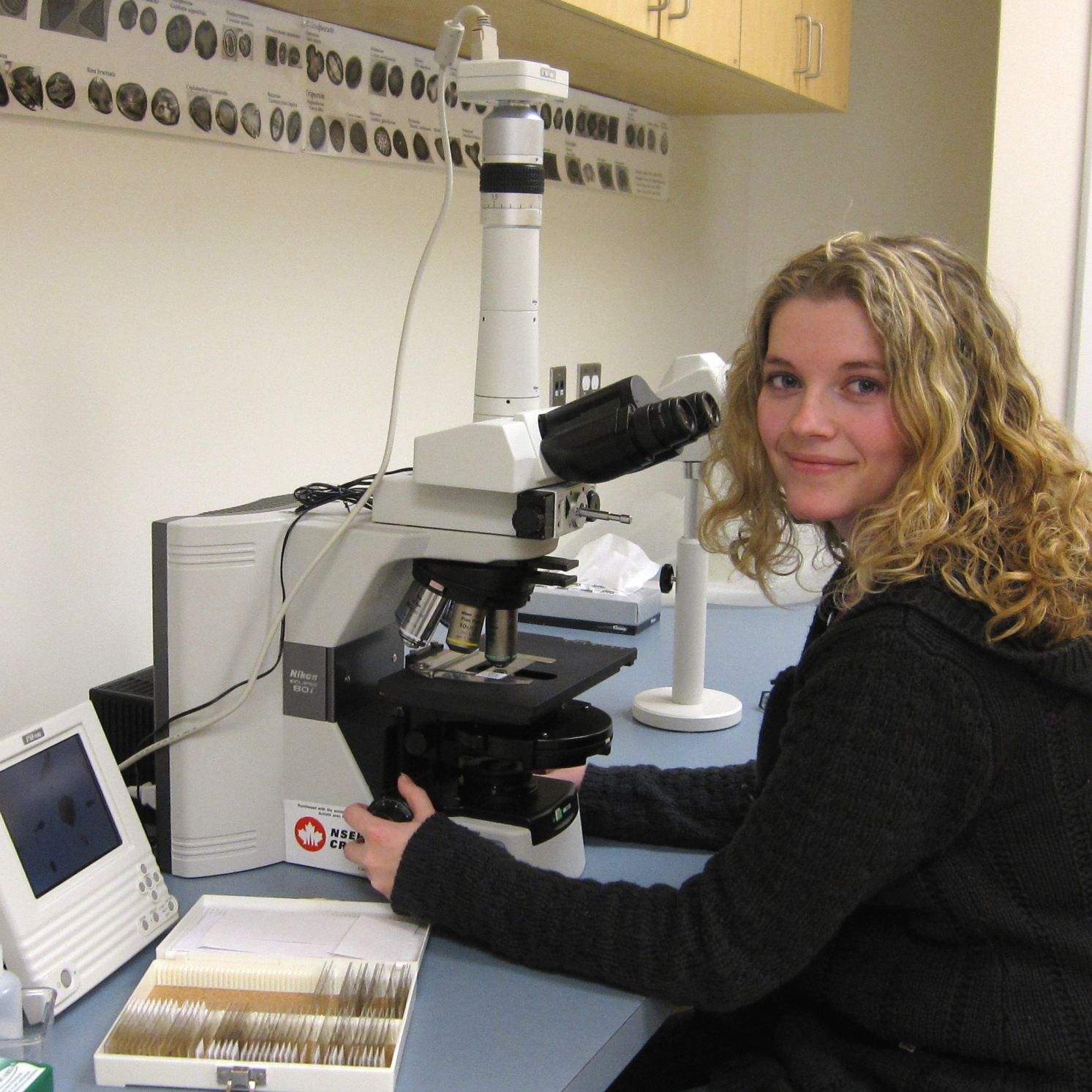
Our group focuses on using organic-walled microfossils (dinoflagellate cysts, foraminiferal organic linings,
pollen and spores, etc.) as indicators of past and present environmental conditions. Dinoflagellates are
particularly diverse and ubiquitous in coastal waters and their cysts are abundant and well preserved,
since they are not affected by dissolution processes as most of calcareous or siliceous microfossils are.
Our research involves studies of taxonomy and ecology of dinoflagellate cysts and other marine palynomorphs,
with the emphasis on their biogeographical distributions in the eastern Pacific Ocean and estuarine waters of
North America. It leads to the identification of primary factors driving these biogeographical distributions.
A compiled and calibrated modern database allows us to use dinoflagellate cysts for quantitative and
qualitative reconstructions of past climatic and oceanographic conditions. Dinoflagellate cysts are shown
to be used for accurate reconstructions of sea-surface temperature, salinity, marine productivity,
intensity of upwelling, and coastal eutrophication. This research is multidisciplinary as it involves some
elements of marine geology, biology, geography and environmental science.
Applications of dinoflagellate cysts in environmental studies of estuarine systems.
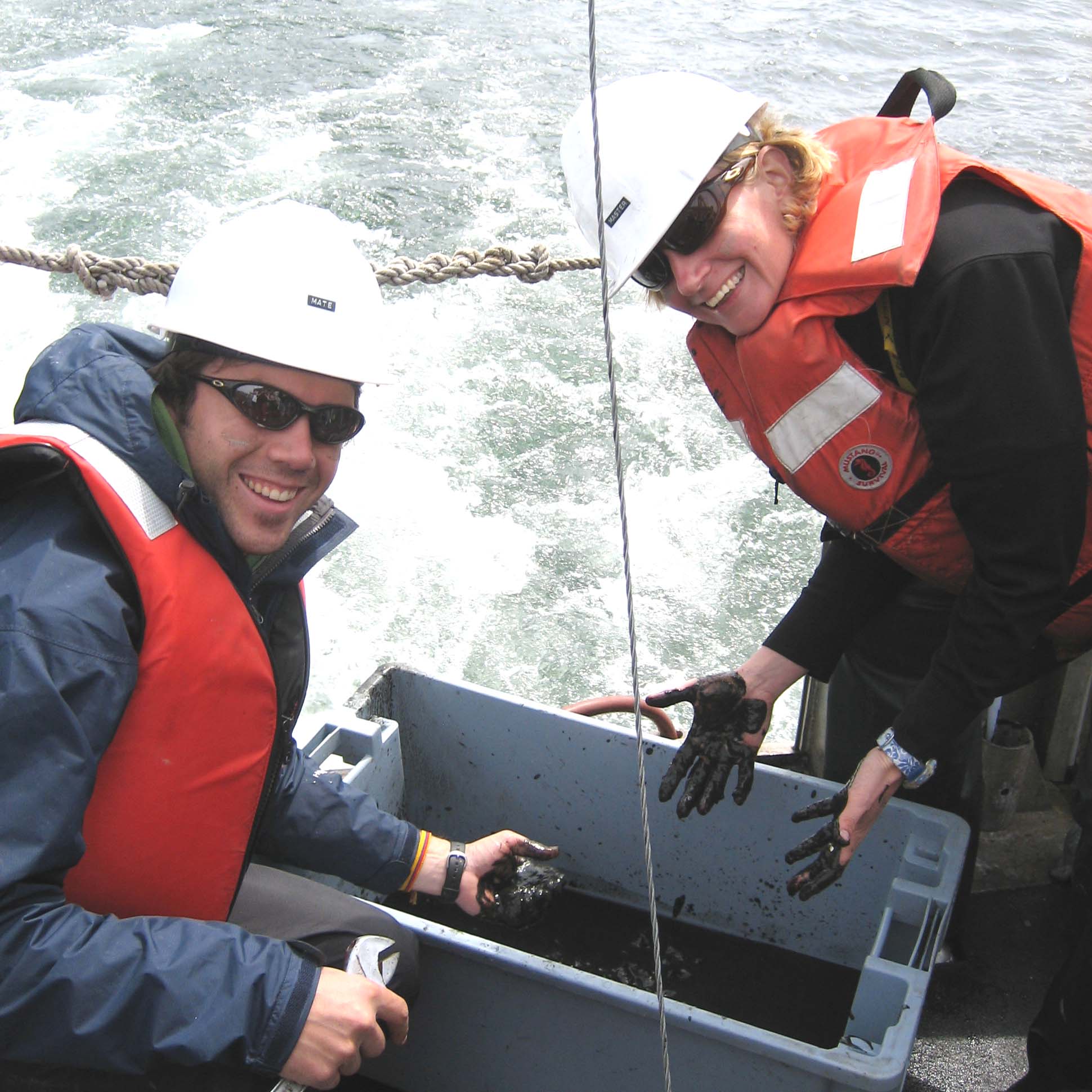
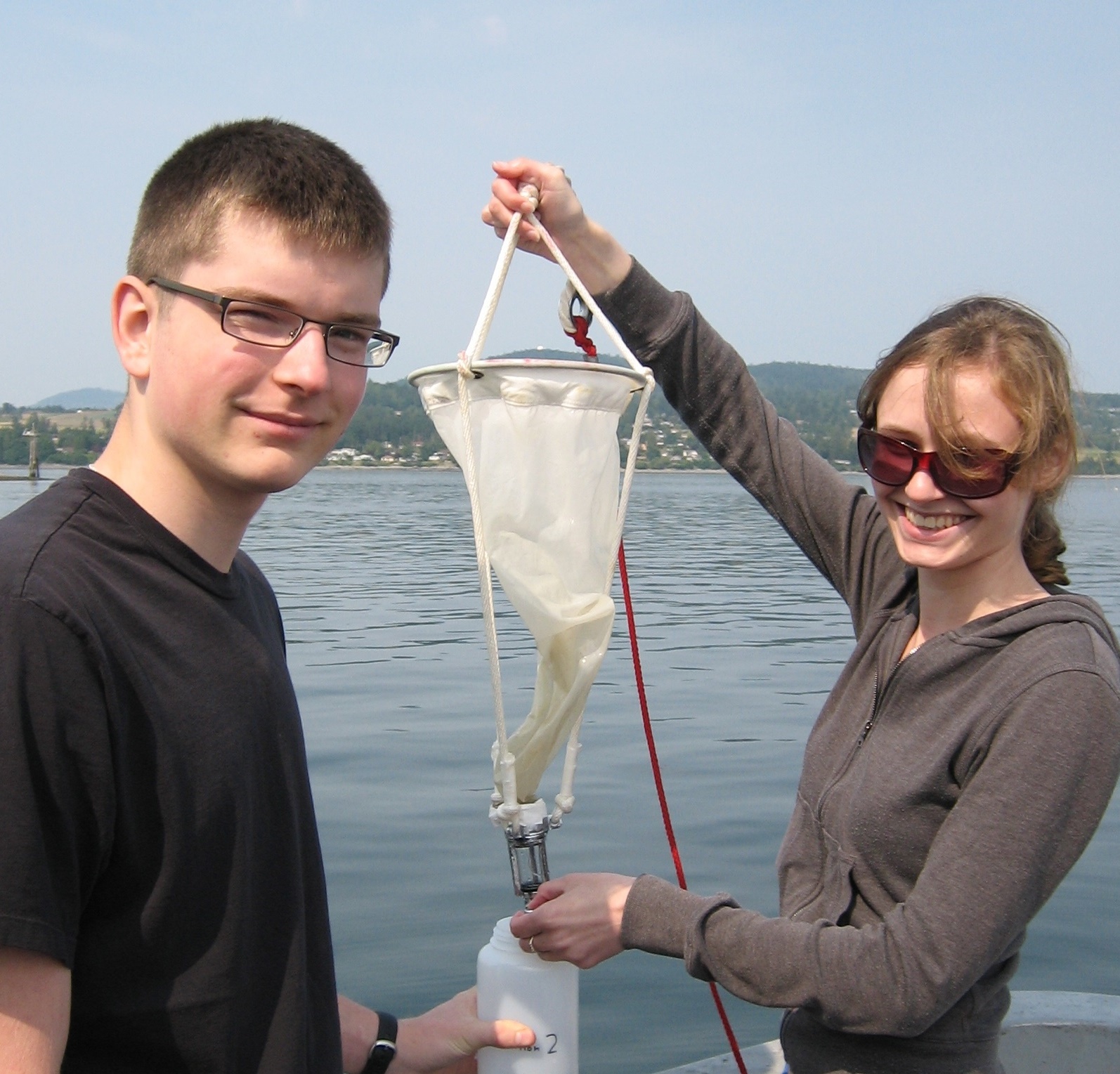
Dinoflagellate cysts in surface samples from multiple locations along the Atlantic
and Pacific coasts of Canada and the United States will be analyzed in combination with sediment
chemistry and water quality data. The focus will be to determine the role of individual environmental
parameters that control cyst distributions.
Human impact on coastal waters and the distribution of toxic species. A number of particularly
polluted estuaries and coastal areas will be analyzed in detail. The goal of this project is to identify
natural variability and human impact on coastal and estuarine waters. In addition, this project will
investigate the spatial and temporal extent of toxic species of dinoflagellates in order to determine
their environmental preferences in coastal and estuarine environments. Frequency and extent of HABs
(harmful algal blooms) in the resent past will be assessed.
Reconstruction of environmental conditions in the late Quaternary. Dinoflagellate cyst records
from several cores in the Pacific will be analyzed to reconstruct sea surface hydrographic characteristics
through the late Quaternary. Obtaining of high-resolution records of upwelling, marine productivity change
and climatic histories from Quaternary sediments is an essential part of this research.
Jurassic-Cretaceous dinoflagellate biochronology and biostratigraphy. This project aims to examine
dinoflagellate assemblages from Middle Jurassic-Cretaceous sedimentary strata from the Insular Belt of
British Columbia. Analysis of dinoflagellate assemblages will allow establishment of dinoflagellate
zones and their calibration with existing ammonite and bivalve molluscan biozonations, resulting in a
highly detailed integrated biostratigraphy for the upper Middle Jurassic to Lower Cretaceous of the
western British Columbia, Canada.
| |
|
|