Task design and skill development
 

Word a task appropriate for development and experience of the students
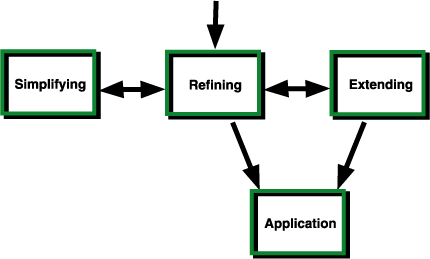
 
 
Move cursor over model to read general prompts for what a teacher uses to develop a basic task model task progression.
Modify complexity to make the task easier for the learner. Simplifications to, (1) space used, (2) type of object manipulated, (3) size and weight of equipment, (4) number of players, and (5) rules of task. Skills cues are used by the teacher to improve the performance of the skill by the student. Usually body refinements are used but space, effort and relationship refinements could also apply. Modify complexity to make that task harder for the learner. Simplifications to,  (1) space used, (2) type of object manipulated, (3) size and weight of equipment, (4) number of players, and (5) rules of task. Skill learning is always applied back to a game. The game is designed for the ablility and developmental level of the learners. The application game tactical meaning to skill development. A task worded for the development ability of the students. For younger children the basic task usually involves each of the body, space, effort and relationship movement concepts. Task design elicits multiple responses from the students within the focus of the skill.